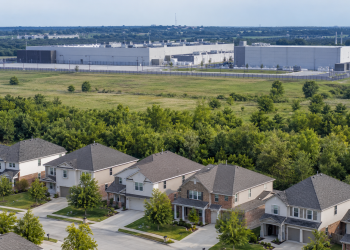
A data center community benefits agreement is one of the most direct ways a community can turn vague promises into measurable, enforceable commitments. Data centers can bring construction activity and tax base, but they often bring limited permanent jobs and significant infrastructure demands. When public incentives or major zoning approvals are involved, communities increasingly ask a simple question: “What do we get, in writing, and how do we enforce it?”
This guide explains the data center community benefits agreement concept in plain English: what a CBA is, how it differs from other agreements, which benefits actually matter for data centers, what enforceability looks like, and what residents and local officials should request before approvals are finalized.
Key Takeaways
- A data center community benefits agreement is typically a voluntary but legally binding contract that commits a developer to specific community benefits in exchange for support or non-opposition.
- The core value is enforceability: clear deliverables, timelines, reporting, and remedies if commitments are missed.
- For data centers, the highest-value commitments are often: transparency, energy and water performance, local contracting/workforce pipelines, infrastructure cost responsibility, and community funds.
- Communities should not accept “we’ll invest locally” language without metrics and audit rights.
- Good agreements include governance: an oversight committee, periodic reporting, and dispute resolution that does not require a community to fund expensive litigation.
What Is A Data Center Community Benefits Agreement?
A data center community benefits agreement is generally a negotiated contract between a project developer and community representatives (often a coalition) that spells out specific benefits the community will receive in connection with the project. FHWA describes a community benefits agreement as a voluntary but legally binding contract between a developer and community representatives tied to a development project. FHWA: Community Benefits Agreement Overview.
Independent policy organizations similarly define CBAs as legally binding agreements between community-based coalitions and developers intended to improve quality-of-life outcomes for nearby residents. Urban Institute: Community Benefit Agreements.
CBA vs Development Agreement vs “Good Neighbor” Commitments
Communities often hear multiple agreement types during data center negotiations. A data center community benefits agreement is only one of them:
- Community Benefits Agreement (CBA): negotiated with community groups and intended to be enforceable by the parties. FHWA: CBA overview.
- Development Agreement / Host Community Agreement: typically between the developer and the local government, often tied to zoning, tax incentives, or approvals. (Some communities prefer these because enforcement can run through government processes.)
- Voluntary “Good Neighbor” commitments: public statements, press releases, or memoranda that may not be enforceable unless formally incorporated into approvals.
Plain-English rule: if it cannot be enforced, it is not a real commitment. That is why a data center community benefits agreement must be written with remedies and verification.
Why CBAs Are Showing Up More In Data Center Projects
Data center deals often involve large public incentives and significant local impacts, while permanent job counts can be modest compared to the scale of infrastructure required. Recent reporting has highlighted concerns that incentive packages do not always align with long-term workforce outcomes. Business Insider: Data centers, subsidies, and jobs. This mismatch is one driver behind community calls for enforceable benefit structures.
Local governments are also learning negotiation strategies specific to data centers, including community benefits programs and enforceable requirements tied to approvals. Tech Policy Press: Negotiating with data center developers.
What A Strong Data Center Community Benefits Agreement Should Include
A data center community benefits agreement should focus on outcomes that are measurable and directly related to real community concerns. Below are high-value categories for data centers.
1) Transparency And Reporting (Non-Negotiable)
Transparency is often the highest leverage “benefit” because it enables ongoing accountability. A recent CBA template emphasizes binding disclosure and transparent data on resource use and related impacts. NAACP: Community Benefits Agreement Template (PDF).
Common transparency provisions include:
- Quarterly or annual reporting on energy consumption, water consumption, and emissions metrics
- Disclosure of incentive utilization (what was claimed, what was received, and performance conditions)
- Public dashboards or periodic public briefings
- Audit rights (either community-accessible or via a third-party verifier)
2) Energy Commitments And Grid Impacts
Because data centers can materially affect local load growth, energy-related commitments are frequently requested. In at least one recent data-center-related community benefits summary, commitments included clean-energy electricity targets and mechanisms for funding if contracts fall short. City of Lancaster: Community Benefits Agreement Summary (PDF).
Examples of enforceable energy commitments:
- Clean energy procurement requirements with reporting and verification
- Onsite efficiency targets or best-practice design commitments for new phases
- Funding or participation in local grid modernization programs (when legally/structurally feasible)
- Demand management or curtailment participation where applicable
3) Water Use, Wastewater, And Local Capacity
Water and wastewater are frequent flashpoints. A data center community benefits agreement can set reporting requirements, caps, or performance standards and require public disclosure. See the NAACP template language emphasizing transparent data on water use. NAACP CBA Template (PDF).
Practical water provisions include:
- Water use caps (or phased caps) with measurement and reporting
- Cooling strategy commitments (closed-loop expectations where feasible)
- Wastewater discharge monitoring and reporting
- Drought contingency operations and communication plans
4) Workforce Development That Matches Data Center Reality
Because ongoing headcount can be limited relative to project size, agreements should avoid inflated job narratives. A stronger approach is to fund pipelines into skilled trades, electrical/mechanical roles, and operations support positions, with measurable placement targets.
Common workforce provisions:
- Local apprenticeship and training investments (electrical, HVAC, controls, safety)
- Targeted hiring goals with reporting (and clear definitions of “job” and “full time”)
- Local contracting commitments for construction and ongoing service work
5) Community Funds And Direct Local Investments
When impacts are real and ongoing, communities often ask for dedicated funds that support priorities such as schools, emergency services, workforce training, and environmental programs. Some agreements explicitly create clean energy or sustainability funds tied to performance conditions. Lancaster CBA Summary (PDF).
6) Public Safety And Emergency Coordination
A data center CBA can include commitments that reduce response burden on local services, such as:
- Emergency response coordination exercises with local fire and police
- Funding for specialized training (battery safety, electrical hazards) where relevant
- Site access plans and contact protocols
How To Make A Data Center Community Benefits Agreement Enforceable
The phrase “community benefits” is easy. Enforceability is the hard part. A strong data center community benefits agreement typically includes the following mechanics:
Clear Definitions
- Define “job,” “local,” “clean energy,” “renewable,” “water use,” “phase,” and “operational year.”
- Define boundaries (which facilities, which phases, which affiliates).
Specific Metrics And Timelines
- Quantified commitments (dollars, percentages, caps, counts)
- Milestones tied to permits, certificates of occupancy, or phases of expansion
Reporting + Verification
- Scheduled reporting (quarterly/annual)
- Third-party verification where appropriate
- Public disclosure mechanisms
Remedies If Commitments Are Missed
- Liquidated damages or payments into a community fund
- Cure periods and escalation steps
- Conditions that restrict future phases if prior-phase obligations are not met
Governance And Oversight
Oversight is often the difference between paper and reality. A well-structured agreement can establish an oversight committee and ongoing monitoring processes (a concept commonly discussed in CBA frameworks). FHWA: CBA overview.

What Communities Should Request Before Approvals
If your goal is to evaluate whether a data center community benefits agreement is real, ask for the pieces that make it enforceable:
- The full agreement text (not a press release summary)
- Definitions and metric tables
- Reporting templates and a reporting schedule
- Verification mechanism (audit rights, third-party review, public dashboards)
- Remedies and phase-linkage language
This fits directly into your existing verification workflow:
Developer Checklist: How To Use A CBA To Reduce Conflict
- Start early. CBAs negotiated after approvals feel cosmetic and erode trust.
- Match benefits to impacts: energy, water, local infrastructure, transparency, and workforce pipelines.
- Use measurable commitments with third-party verification rather than vague “we will invest” language.
- Link benefits to phasing so the community is not negotiating from scratch each expansion.
- Publish reporting in a format the community can understand and track over time.
Frequently Asked Questions
Is a CBA the same as a government development agreement?
No. A data center community benefits agreement is typically negotiated with community representatives and is enforceable as a contract by the signatories. A development agreement is typically with a local government and may be enforced through governmental processes. FHWA summarizes the CBA concept and its exchange structure (benefits in return for support or acquiescence). FHWA: CBA overview.
What benefits are most meaningful for data centers?
Transparency and resource accountability (energy and water reporting), workforce pipelines aligned to realistic job outcomes, infrastructure cost commitments, and community funds tied to measurable performance are usually more valuable than symbolic promises. See examples and discussion in the ULI local guidelines report and broader policy commentary. ULI: Local Guidelines for Data Center Development.
How do we avoid “benefits” that are just marketing?
Require metrics, reporting, verification, and remedies. Templates and guidance documents emphasize that voluntary promises are not enough and that commitments should be legally binding and publicly disclosed. NAACP CBA Template (PDF).
Bottom Line
A data center community benefits agreement is a tool for turning public approvals and incentives into enforceable, measurable outcomes. The best agreements are specific about what matters for data centers: transparency, energy and water performance, workforce pipelines, and durable community investment. The worst agreements are vague, unmeasured, and unenforceable. If the commitments cannot be audited, reported, and enforced, they are not community benefits. They are marketing.
Sources And Further Reading
- FHWA: Community Benefits Agreement Overview
- Urban Institute: Community Benefit Agreements
- U.S. DOE: CBA Guidance FAQ (PDF)
- Columbia Climate Law: Community Benefits Agreements Database
- ULI: Local Guidelines for Data Center Development
- City of Lancaster: Community Benefits Agreement Summary (PDF)
- NAACP: Community Benefits Agreement Template (PDF)
- Tech Policy Press: Negotiating with data center developers