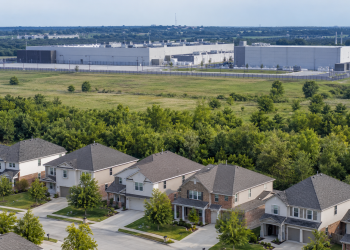
Data center diesel generator pollution is one of the most common concerns raised when a new data center is proposed near homes, schools, or neighborhoods. People hear “dozens of diesel generators” and assume the site will run like a power plant every day. In reality, most data center generators are intended for emergency backup and testing, not continuous operation. But data center diesel generator pollution can still matter for local air quality depending on how many engines are installed, how often they test, what fuel and controls they use, and what local permit rules allow.
This guide explains what data center diesel generators do, when they run, what pollutants they emit, how permitting typically works, and the specific questions communities should ask so the conversation about data center diesel generator pollution stays grounded in measurable facts instead of vague assurances. If you want the baseline context on why power resilience is core to the industry, start with Backup Power for Data Centers (Diesel Explained) and then come back here for the community-facing impacts.
Data Center Diesel Generator Pollution: Why Data Centers Use Diesel Generators
Data centers are built around an uptime promise. When grid power fails, the facility must keep critical systems running long enough to bridge from utility power to on-site backup generation and to maintain stable operations during an outage. In traditional architectures, that backup is most commonly a bank of diesel generators paired with UPS systems and switchgear. That reliability goal is the core reason data center diesel generator pollution becomes a community issue: backup power is essential, but diesel combustion has real emissions.
The Uptime Institute has described generator plants as a foundational reliability element in its Tier-focused technical guidance, reflecting the industry expectation that facilities have on-site generation for resilience. Uptime Institute technical paper on engine-generator ratings
In practical terms, diesel generators are widely used because they are reliable, can start quickly, can be deployed at scale, and are familiar to regulators and contractors. That said, diesel backup is controversial because diesel exhaust contains pollutants linked to health harms, especially in sensitive communities. The U.S. EPA summarizes these health impacts in plain language, including respiratory and cardiovascular effects. EPA: impacts of diesel exhaust
What “Pollution” Means: The Main Emissions From Data Center Diesel Generators
When people talk about data center diesel generator pollution, they are usually talking about a mix of pollutants that affect local air quality and health. The most commonly discussed include:
- Nitrogen oxides (NOx), which can contribute to ground-level ozone formation.
- Particulate matter (PM), including diesel particulate, which can aggravate asthma and heart/lung disease.
- Carbon monoxide (CO) and other combustion byproducts.
EPA’s Diesel Emissions Reduction Act (DERA) materials explain why these pollutants matter and why diesel exhaust is a major public-health focus. EPA: diesel exhaust impacts
For carcinogenic risk specifically, the World Health Organization’s cancer research agency (IARC) classifies diesel engine exhaust as carcinogenic to humans (Group 1). That does not mean a single generator test creates cancer risk on its own, but it is a key reason communities push for strict controls and limits, especially when many engines are concentrated in one location. IARC: diesel exhaust carcinogenic (Group 1)
When Data Center Diesel Generator Pollution Actually Happens
To evaluate data center diesel generator pollution, you need to separate routine operations from non-routine events. Most data centers do not run diesel generators 24/7. But generators can still run under several conditions:
1) Emergency outages
If the grid fails, generators run until utility power is restored and systems safely transition back. Outage frequency varies by market and depends on grid reliability, weather, and transmission/distribution constraints. If you’re assessing local risk, it helps to understand how the grid is structured and stressed in your area: Data Centers and the Power Grid.
2) Maintenance and testing
Generators require periodic testing to ensure they start and accept load. Some testing happens at low load; some is full-load or bank-load testing. Testing schedules are often a major focus in permits and community agreements because they represent a predictable, recurring source of data center diesel generator pollution and noise.
3) Non-emergency use (when allowed)
This is where controversy often spikes. Some engines are classified and permitted as “emergency” and face different operational limits than “non-emergency” engines. In certain markets and situations, operators seek permission to run generators for grid support, peak shaving, or other non-emergency reasons. Environmental advocates have argued this can expand data center diesel generator pollution beyond what communities expected from “backup only.” A recent overview of diesel generator concerns tied to data centers highlights these debates and the exemptions/loopholes that sometimes come up in permitting fights. Inside Climate News: data centers and diesel generators
Permits: The Rules That Control Data Center Diesel Generator Pollution
A key point for communities: the presence of diesel generators alone does not tell you the actual emissions impact. The permit is what defines allowable fuel type, engine standards, operating limits, testing frequency, recordkeeping, and controls that reduce data center diesel generator pollution.
At the federal level, stationary engines can be subject to EPA rules such as the NSPS and NESHAP programs (often discussed in the stationary engine context as RICE rules). EPA provides a compliance framework outlining requirements for stationary engines under these rules. EPA: stationary engine compliance requirements
In the real world, most communities experience this through state environmental agencies and local public review. For example, state permitting processes often include public meetings for proposed data center-related air permits, where community members can ask about engine counts, testing schedules, and emissions controls before approvals are final. Example: IDEM public meeting for a data center air permit request
If you want a plain-English walkthrough of where permits fit in the broader development timeline, see Permitting Timelines for Data Centers, and for generator-specific context, Data Center Diesel Generator Permitting.
What Makes Data Center Diesel Generator Pollution Higher Or Lower
Not all generator installations are equal. Data center diesel generator pollution risk rises or falls based on a handful of practical variables that communities can verify in filings and permit documents.
Engine count and total nameplate capacity
A campus with many engines can have a meaningful emissions footprint during testing or an extended outage, even if each engine is “emergency-only.” Ask for the number of engines, size (kW/MW), and whether future phases add more. More engines typically means more potential data center diesel generator pollution during test windows.
Emergency vs non-emergency classification
This classification affects which emissions standards apply and how many hours the engines can operate for testing and other purposes. The distinction also shapes community trust because “backup only” expectations can diverge from what permits technically allow, changing the profile of data center diesel generator pollution.
Emissions controls and engine standards
Some engines include advanced aftertreatment to reduce NOx and PM. While generator compliance regimes differ from on-road vehicles, emissions control technology and certification standards are still a major lever for reducing data center diesel generator pollution. If a developer claims “best available controls,” ask for the specific control equipment and expected emissions rates, and whether the engines meet the most stringent applicable standards under the relevant rule pathway.
Testing frequency, timing, and noise management
Testing is where communities feel impact most consistently. Noise and vibration, along with visible exhaust, can drive complaints even when annual run-hours are low. A fact sheet from Indiana University’s Environmental Resilience Institute notes communities commonly raise concerns about noise from cooling systems and backup generators and provides example external noise ranges reported for data center-related equipment. Indiana University ERI: data center community concerns

How To Reduce Data Center Diesel Generator Pollution (What To Ask For)
Communities can’t redesign a facility from scratch, but they can push for concrete measures that reduce data center diesel generator pollution in practice:
- Stricter testing limits (hours per month/quarter, time-of-day restrictions, seasonal limits during ozone season where relevant).
- Cleaner fuel and maintenance commitments that reduce soot and unplanned smoke events.
- Advanced emissions controls when feasible, with permit-backed reporting requirements.
- Transparent run-hour reporting so the community can verify actual operations over time.
What Communities Should Ask (Specific, Not Vague)
If a project is proposed near your neighborhood, these questions will quickly clarify real-world data center diesel generator pollution risk:
1) How many generators will be installed in Phase 1, and at full build-out?
Ask for a phase-by-phase schedule. “Phase 1” numbers often understate long-term footprint and long-term data center diesel generator pollution exposure during testing periods.
2) Are the engines emergency-only, and what does the permit allow for testing and non-emergency operation?
Ask for the allowable operating hours by category (emergency, maintenance/testing, and any discretionary/non-emergency provisions). Get it in writing from permit language, not marketing slides. This single answer often determines the true risk profile of data center diesel generator pollution.
3) What are the permitted emissions limits and the control technologies?
Ask for NOx and PM emissions rates, stack testing requirements (if any), and whether aftertreatment is installed. Also ask whether the project is in or near a nonattainment area for ozone or PM, where standards and sensitivities can be tighter. This helps quantify data center diesel generator pollution, not just debate it.
4) What is the testing schedule, and will it be restricted (time-of-day, frequency, seasons)?
Testing restrictions can materially change lived impact. This is also where community agreements can be useful, because they can define commitments beyond minimum compliance. If your area is negotiating broader commitments, read Data Center Community Benefits Agreement Explained.
5) What backup design alternatives were considered?
Some operators are exploring alternatives such as gas generators, fuel cells, battery-heavy architectures, and grid-interactive approaches. Communities can ask whether the chosen design was the least-impactful feasible option, especially when a site is close to sensitive receptors and concerns about data center diesel generator pollution are elevated.
6) What does the developer say about health risk and proximity?
Communities care about proximity for a reason. If you are evaluating a project near homes, the broader context on proximity concerns is covered here: What Happens When a Data Center Is Built Near You and Health Risks of Living Near a Data Center.
Implications
Policy, Permitting, And Community
Data center diesel generator pollution debates are increasingly becoming a permitting and policy issue, not just a neighborhood issue. As AI-driven demand accelerates, some developers seek faster paths to power, and regulators have been pushed to clarify when “temporary” or “emergency” generation still requires robust air permitting. Even when a project is compliant, the public process often becomes the point where communities negotiate enforceable limits and transparency on data center diesel generator pollution.
Grid And Time-To-Power
Generator reliance is often a symptom of a larger constraint: time-to-power. When grid upgrades and interconnection capacity are constrained, developers lean harder on backup and interim solutions. If you want the grid planning lens behind these pressures, start with How Utilities Plan for Data Center Growth and then connect it back to local permitting realities.
Sustainability And Public Trust
Even if engines run rarely, diesel exhaust’s health profile (including respiratory harms highlighted by EPA and the carcinogenic classification by IARC) increases scrutiny in communities already burdened by industrial exposure. EPA health impacts IARC classification
What To Watch Next
- Permit conditions: limits on testing hours, seasonal restrictions, and required emissions controls that reduce data center diesel generator pollution.
- Public reporting: whether run-hours and testing logs must be reported and made public so data center diesel generator pollution can be verified.
- Phasing: whether future campus phases add engines without a new public review.
- Design evolution: whether alternatives to diesel become viable in that market as grid capacity improves.
FAQ
Do data centers run diesel generators every day?
Most do not. Data center diesel generators are typically used for emergencies (grid outages) and routine testing/maintenance. The real-world impact of data center diesel generator pollution depends on how many engines exist, how often they test, and what the permit allows for non-emergency operation. The permitting framework for stationary engines is a key reference point for understanding what requirements apply. EPA: stationary engine compliance
Is data center diesel generator pollution a real health concern?
Diesel exhaust is linked to respiratory and cardiovascular harms, and EPA notes it can worsen asthma and heart/lung disease, especially for sensitive groups. EPA: diesel exhaust impacts IARC also classifies diesel engine exhaust as carcinogenic to humans (Group 1). IARC: Group 1 classification Those facts are a major reason data center diesel generator pollution is closely scrutinized in permitting processes.
What should I ask about generator testing?
Ask for the testing schedule (frequency and time-of-day), whether testing is restricted by permit, and whether run-hours will be publicly reported. Testing is often the most consistent source of impacts, including noise and visible exhaust, even when outages are rare. Community noise concerns are commonly raised in public reviews. Indiana University ERI: community concerns
Are there alternatives to diesel backup generators?
Some sites explore gas generators, battery-heavy architectures, fuel cells, or other approaches. However, feasibility depends on local grid reliability, fuel availability, permitting, and the facility’s uptime requirements. If you want the “why reliability drives backup” explanation, start with Backup Power for Data Centers (Diesel Explained). In community reviews, alternatives are often discussed specifically as ways to reduce data center diesel generator pollution.
Where does diesel generator permitting fit in the overall data center approval process?
Generator permits are often handled through state environmental agencies and can include public notice and comment. Understanding the overall development sequence helps communities engage at the right time; see Permitting Timelines for Data Centers and the generator-specific overview Data Center Diesel Generator Permitting.