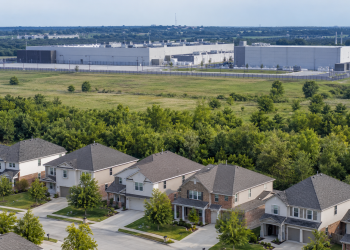
Data center land use and zoning classifications determine where data centers can be built, what approvals are required, and what operating conditions may be imposed. Even when a data center is technically “industrial,” local zoning codes vary widely in how they classify data center use, how they treat substations and generators, and how they handle impacts like noise, setbacks, and traffic.
This guide explains the zoning language you are likely to see in public records, how data centers fit into common land use categories, and what communities and developers should expect during the approval process.
In One Sentence: Data Center Land Use And Zoning Classifications
Data center land use and zoning classifications define whether a data center is permitted, conditional, or prohibited in a zoning district, and they set requirements for setbacks, screening, noise, and site plan approvals.
Why Zoning Is A Key Constraint For Data Centers
Data centers are not just buildings. They include electrical yards, cooling systems, fuel storage, and security infrastructure. Zoning governs how those elements can be placed on a site, how close they can be to neighbors, and what mitigation is required.
Zoning is also a major driver of timeline risk. If a project needs rezoning or a special use permit, it is more exposed to public hearings and discretionary decision-making.
For foundational context, see zoning and permitting for data centers and why data centers are built in specific locations.
How Data Centers Are Commonly Classified In Zoning Codes
Many zoning codes do not use the phrase “data center.” Instead, data centers are classified under broader use categories. Common classifications include:
- Light industrial: often used when a data center is viewed as a quiet, low-traffic industrial use.
- Heavy industrial: used when generators, substations, or large-scale infrastructure triggers a more intensive classification.
- Commercial or office: sometimes used for smaller edge facilities or when the code treats data centers as “telecommunications” or “business services.”
- Utility or infrastructure use: used when the substation or energy yard is treated as the primary land use component.
- Telecommunications facility: used in jurisdictions that group data centers with network infrastructure.
Misclassification is a common source of dispute, especially when neighbors argue that a “light industrial” label does not reflect generator testing, substation expansion, or scale.
Permitted, Conditional, And Prohibited Uses
Zoning codes typically define uses in one of three ways:
Permitted By Right
If a data center is a permitted use in the district, the project still needs site plan and building permits, but the land use itself is not discretionary. This can speed timelines and reduce political risk.
Conditional Or Special Use
If the use is conditional, the project must obtain approval through a hearing process. Conditions can include noise limits, setbacks, landscaping, traffic routing, generator testing restrictions, or water and stormwater requirements.
Prohibited
If the use is not allowed, the project may need rezoning, a text amendment, or a variance. These pathways increase uncertainty and often trigger more extensive public review.
For how approvals connect to broader filings, see environmental review for data centers.
Zoning Topics That Commonly Trigger Conditions
Because data centers are infrastructure-heavy, approvals often focus on a recurring set of issues.
Setbacks, Buffers, And Screening
Setbacks define how far buildings and equipment must be from property lines. Buffers and screening requirements can include fences, berms, trees, and walls, especially near residential zones.
Noise Standards
Noise can come from cooling equipment, electrical gear, and generator testing. Many approvals include maximum decibel limits at the property line and require modeled noise studies.
Generators are a frequent flashpoint. See backup power for data centers.
Traffic And Construction Management
While operational traffic can be modest, construction traffic can be significant. Conditions may require designated truck routes, limited work hours, and road improvements.
Stormwater And Drainage
Large roofs and paved areas increase runoff. Zoning approvals often require detailed stormwater plans and long-term maintenance commitments.
Substations And Utility Easements
Some projects include on-site substations or require new utility easements. Zoning may treat these as separate uses with their own conditions.
For the infrastructure side, see data centers and the power grid and how utilities plan for data center growth.
How Zoning Interacts With Community Opposition
Public hearings are where concerns become formal. Residents often raise issues about noise, property values, water use, and the fairness of infrastructure costs. Even when those issues are not strictly “zoning,” decision-makers may impose conditions to address them.
For the community perspective, see community opposition to data centers. For water-related concerns that can influence zoning conditions, see data center water rights.
What Developers Should Prepare Before A Zoning Hearing
Successful approvals usually involve early preparation and clear mitigation proposals. Developers typically benefit from assembling:
- A clear use classification argument tied to the zoning code.
- Concept site plans showing setbacks, screening, and equipment placement.
- Noise modeling and generator testing practices.
- Construction traffic and logistics plans.
- Stormwater concepts and maintenance commitments.
- Transparent disclosure of build-out phases and ultimate scale.
Phasing matters because communities often approve a first building, then realize later phases are much larger. Clear “full build-out” disclosure helps avoid that credibility problem.

How Communities Can Read Zoning Documents More Effectively
Zoning records can be dense. Practical steps include:
- Identify the zoning district and whether the use is permitted or conditional.
- Look for conditions tied to noise, setbacks, and operating hours.
- Check whether substations, generators, or fuel storage are treated as separate approvals.
- Ask whether the approval covers the entire campus or only the first phase.
- Request public reporting commitments if conditions rely on ongoing compliance.
A dedicated guide to finding these records can be useful during project review. See public records for data center development.
Authoritative References
For a broad, nonpartisan overview of how zoning and land use regulation works in the U.S., the American Planning Association provides general planning resources at APA planning knowledge base. For baseline context on zoning administration and local planning processes, see National League of Cities zoning overview.
Summary
Data center land use and zoning classifications determine whether data centers are allowed in a district and what conditions apply to protect surrounding uses. Because data centers include substations, cooling systems, and generators, zoning approvals often focus on setbacks, screening, noise, stormwater, and construction impacts. Clear classification, transparent full build-out disclosure, and enforceable mitigation conditions are the most reliable path to approvals that hold up over time.
FAQ
Are Data Centers Usually Considered Industrial?
Often, yes, but the exact classification varies. Some jurisdictions treat them as light industrial, others as utility infrastructure or telecommunications uses, depending on code language.
What Is The Difference Between Permitted And Conditional Use?
Permitted uses are allowed by right in a district, subject to standard permits. Conditional uses require a hearing and can include specific operating conditions imposed by the approving body.
Why Do Data Centers Trigger Noise Conditions?
Cooling equipment and generator testing can produce persistent or periodic noise. Many approvals set decibel limits and require mitigation like barriers and equipment selection.
Do Data Centers Need Rezoning To Be Built?
Not always. If the use is permitted in the district, rezoning may not be needed. Rezoning is more likely when a site is in a commercial or residential district or when the code does not clearly address data centers.
Can A Zoning Approval Cover Multiple Buildings In A Campus?
Yes, sometimes. Approvals may cover a master plan or only an initial phase. Communities should confirm whether later phases are included and what conditions apply at full build-out.
Where Can I Find The Official Zoning Conditions For A Project?
They are usually in the staff report, resolution, meeting minutes, or recorded ordinance for the approval. Many jurisdictions publish these online through planning department portals.