
Electrification Pressures And Infrastructure Demand are reshaping how utilities plan and invest as electric vehicles, industrial electrification, building electrification, and data centers increase load and strain parts of the power system that were not designed for rapid growth.
This is not only a “more electricity” story. It is a “deliverable electricity” story. Many regions can produce enough energy over a year, but specific corridors can still face capacity limits due to transmission constraints, distribution equipment limits, and long timelines for upgrades.
This guide explains what electrification pressures mean, why infrastructure upgrades take time, how data centers fit into the broader demand picture, and what practical implications this has for project timelines and policy.
In One Sentence: Electrification Pressures And Infrastructure Demand Mean Load Is Rising Faster Than Grid Upgrades, So Time-To-Power Becomes The Deciding Constraint For Many Projects
Demand can grow quickly. Infrastructure, permits, procurement, and construction rarely move that fast.
What Electrification Means In Practice
Electrification means shifting energy uses that were traditionally powered by fossil fuels toward electricity. This can include vehicles that shift from gasoline to electricity, buildings that shift from gas heating to electric heat pumps, and industrial processes that shift toward electric equipment.
Electrification increases electricity demand in two key ways:
- Total energy demand: higher annual consumption as more services run on electricity
- Peak demand: higher maximum load during high-use periods, which drives capacity planning and infrastructure sizing
Peak demand often matters more than annual consumption because infrastructure must be built to handle peaks safely and reliably.
The Main Drivers Of Infrastructure Demand
Electrification Pressures And Infrastructure Demand are driven by multiple concurrent shifts, and they often stack in the same regions.
1) Electric vehicles and fast charging build-out
EV charging adds new load profiles. Residential charging increases evening demand, while fast charging hubs can create large, concentrated loads that require distribution and sometimes transmission upgrades.
2) Building electrification
Heat pumps and electric heating can increase winter peak demand in cold climates. This can change seasonal peak patterns and drive upgrades in distribution networks.
3) Industrial electrification and reshoring
Manufacturing modernization, new industrial facilities, and electrified process heat can create large, steady loads. These loads often require new substations, feeders, and sometimes transmission reinforcements.
4) Data centers and AI-driven compute growth
Data centers are large, continuous loads. AI workloads can increase density and power demand per facility, accelerating grid planning needs in corridors with significant data center clustering.
For the basics of why data centers consume so much power, see why data centers use so much electricity and data center electricity.
For the macro trend linking AI and cloud to new capacity build-outs, see how AI and cloud drive data center growth.
Why The Grid Becomes A Bottleneck
Electrification Pressures And Infrastructure Demand expose a mismatch between how quickly load can appear and how slowly infrastructure can be added. The grid has multiple layers, and bottlenecks can occur in any of them.
Generation is not the only constraint
Many public conversations focus on whether there is enough generation. But even where generation is available, deliverable power can still be constrained by wires, substations, transformers, and interconnection processes.
Transmission constraints
Transmission moves bulk power from generation sources to load centers. Building new transmission often takes many years due to planning, siting, permitting, and community opposition. Without transmission upgrades, growing load can hit hard limits in certain corridors.
Distribution constraints
Distribution delivers power locally. Distribution upgrades can include new feeders, reconductoring, new substations, and transformer replacements. These upgrades can be faster than transmission, but they still require engineering studies, procurement, and construction time.
Interconnection and queue dynamics
Large new loads and new generation resources often flow through interconnection processes. Queues can become congested, and study timelines can extend when many projects apply simultaneously.
For a data center-specific view of these grid relationships, see data centers and the power grid.
Why “Time-To-Power” Becomes The Real Metric
Electrification Pressures And Infrastructure Demand often boil down to time-to-power: how long it takes for a project to get reliable electrical service at the required capacity.
Time-to-power is shaped by:
- engineering studies: determining what upgrades are required
- equipment procurement: transformers, switchgear, and protection gear lead times
- construction sequencing: scheduling work safely while maintaining existing service
- permitting: especially for major substations and transmission projects
- workforce capacity: contractor availability and utility execution bandwidth
For how utilities plan around data center load growth specifically, see how utilities plan for data center growth.
What This Means For Data Centers
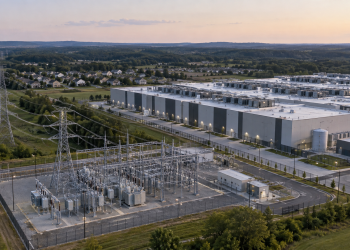
Data centers are not the only driver of electrification pressures, but they are a highly visible one because they are large, concentrated, and often clustered. When multiple data center projects target the same corridor, the local grid can become a hard constraint even if the region has broader capacity.
How data center growth interacts with electrification
- Clustering amplifies impact: multiple large loads in one corridor can outpace planned upgrades
- AI increases density: higher rack power raises MW requirements per facility
- Reliability expectations are high: facilities require stable service and layered resilience
- Procurement narratives matter: energy sourcing and sustainability claims affect stakeholder support
Data centers also bring resilience requirements, including backup power systems. For that layer, see backup power for data centers.

Policy And Planning Responses That Are Becoming Common
As Electrification Pressures And Infrastructure Demand rise, utilities and policymakers are exploring planning and market responses to reduce friction and improve predictability.
Proactive grid investment
Some regions invest in substations and transmission upgrades ahead of confirmed projects, especially where growth is highly likely. This can reduce time-to-power, but it also requires regulators and utilities to accept the risk of building ahead of demand.
Load management and demand response
Utilities may encourage flexible load patterns, peak shaving, and demand response programs to reduce stress during peak periods. This can be relevant for EV charging and some industrial loads, but it is often less applicable for steady, 24/7 data center loads.
Interconnection process reforms
In congested regions, interconnection and queue reform becomes a focus to reduce delays and improve transparency. The goal is to reduce uncertainty for both load and generation projects.
Renewable procurement and grid decarbonization alignment
Electrification increases total electricity demand, which can raise the importance of clean energy procurement pathways. Many large load customers also want procurement mechanisms to support sustainability goals.
For how renewable procurement is commonly structured in the data center sector, see renewable energy PPAs for data centers explained.
Common Misconceptions
Misconception: The grid problem is only about generation
Generation is only one layer. Transmission, distribution, substations, and interconnection processes often determine whether power is deliverable where and when it is needed.
Misconception: Infrastructure upgrades can happen quickly
Major upgrades often take years due to engineering, procurement lead times, permitting, and construction complexity. Even “simple” upgrades can be slowed by equipment shortages and contractor capacity.
Misconception: Electrification pressures are uniform across a state or country
Constraints are corridor-specific. Some areas have ample capacity while others face severe bottlenecks, even within the same utility territory.
Misconception: Data centers are the only cause of rising demand
Data centers are one major driver, but EVs, buildings, and industrial modernization also contribute to load growth and can stack in the same corridors.
Authoritative External Resources On Electrification And Grid Planning
For readers who want primary sources and widely used references, these resources are useful starting points:
- U.S. Energy Information Administration electricity data for standardized electricity statistics and trends
- National Renewable Energy Laboratory (NREL) for research on grid modernization, electrification, and energy systems
- International Energy Agency for global electrification and energy transition context
FAQ: Electrification Pressures And Infrastructure Demand
What are Electrification Pressures And Infrastructure Demand?
They refer to rising electricity load from EVs, buildings, industry, and data centers, and the resulting need for grid infrastructure upgrades to deliver power reliably.
Why does electrification create grid bottlenecks?
Because load can grow faster than transmission and distribution upgrades can be planned, permitted, procured, and constructed. Local infrastructure limits often determine deliverability.
What is time-to-power and why does it matter?
Time-to-power is the timeline required to deliver reliable electrical service to a new load. It matters because it often determines whether projects can proceed on schedule.
How do data centers contribute to infrastructure demand?
Data centers are large, continuous loads. AI-driven density increases power demand per facility, which can accelerate corridor-level grid constraints where projects cluster.
Can demand response solve electrification pressures?
Demand response can help reduce peaks for flexible loads such as EV charging, but it is less effective for steady 24/7 loads that require continuous operation.
What should developers validate when planning large electrified projects?
They should validate corridor-level grid capacity, interconnection requirements, upgrade timelines, equipment lead times, and permitting pathways, not just regional generation availability.
Key Takeaway
Electrification Pressures And Infrastructure Demand are reshaping infrastructure planning because load growth is accelerating across multiple sectors at once. The defining constraint is deliverable power, which depends on local grid upgrades and realistic time-to-power timelines. For data centers, this means market selection and project schedules increasingly hinge on utility coordination and corridor-level grid readiness.