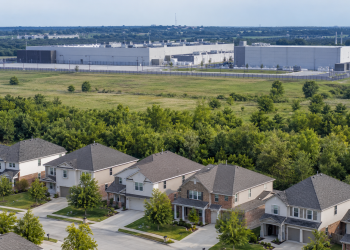
Environmental review for data centers can be as important as zoning and power availability because it determines what impacts must be studied, what mitigation is required, and how quickly a project can be approved. In many jurisdictions, environmental filings are also where community concerns become formal comments, which can reshape site design or slow timelines if issues are unresolved.
This guide explains what environmental review typically covers, the common filings and studies associated with data center projects, and how to think about the process without getting lost in legal jargon.
In One Sentence: Environmental Review For Data Centers
Environmental review for data centers is the process of evaluating and permitting impacts like stormwater, wetlands, water use, air emissions from generators, traffic, and noise, often with public documentation and mitigation requirements.
Why Environmental Review Matters For Data Centers
Data centers are industrial-scale facilities with large electrical infrastructure, cooling systems, site grading, and backup generation. Even when the building itself looks simple, supporting infrastructure can affect water flows, air quality, and land use patterns.
Environmental review matters because it:
- Sets conditions that can change the design and operating rules.
- Drives timelines through agency review windows and public comment periods.
- Creates enforceable requirements for mitigation, monitoring, and reporting.
- Builds or breaks trust depending on transparency and responsiveness.
Environmental review is closely tied to approvals and scheduling. See zoning and permitting for data centers and why data centers are built in specific locations.
When Environmental Review Is Required
Environmental review requirements vary by jurisdiction and project scope. In general, review becomes more formal when one or more of these conditions apply:
- The project needs a discretionary land-use approval such as rezoning, special use permits, or variances.
- The site includes regulated resources such as wetlands, floodplains, or protected habitats.
- The project triggers state or federal permits, such as Clean Water Act approvals.
- Backup power systems exceed thresholds for air permitting or emissions reporting.
- Major road improvements are needed due to construction traffic or access changes.
Some projects also face heightened scrutiny when communities are concerned about water, noise, or grid impacts. See community opposition to data centers.
The Core Categories Reviewed In Most Data Center Projects
Environmental review is usually not one single document. It is a collection of studies, plans, and permits that each address a specific impact category.
Stormwater And Site Runoff
Data centers often require significant grading and impervious surfaces, such as rooftops, roads, and parking. Stormwater plans focus on managing runoff to prevent erosion, flooding, and water pollution.
Common elements include:
- Stormwater pollution prevention plans (often called SWPPP).
- Detention or retention ponds, bioswales, and infiltration features.
- Construction-phase erosion and sediment controls.
- Post-construction water quality treatment requirements.
For baseline context on the U.S. stormwater permitting framework, see EPA construction stormwater guidance.
Wetlands, Streams, And Floodplains
If a site includes wetlands or streams, permits may be required for impacts or crossings. These reviews often involve delineations, alternatives analysis, mitigation plans, and coordination with multiple agencies.
In the U.S., wetlands impacts commonly relate to Clean Water Act Section 404 permits administered by the U.S. Army Corps of Engineers. For general reference, see Clean Water Act Section 404 overview.
Water Supply And Water Use
Water use becomes a focal point when evaporative cooling is used or when a region faces scarcity. Reviews may evaluate water source, drought restrictions, supply agreements, and reporting requirements.
To understand the underlying drivers, see why data centers use water and data center water rights.
Air Quality And Generator Permitting
Backup generators can trigger air permitting requirements depending on engine size, fuel type, and testing schedules. Reviews may cover emissions controls, operating limits, recordkeeping, and compliance monitoring.
For a practical overview of generator systems and why they are used, see backup power for data centers.
Noise Studies
Noise concerns are common near residential areas. Environmental review may require baseline noise measurements, modeled impacts, and mitigation plans such as acoustic barriers, equipment selection, and operational limits.
Traffic And Construction Impacts
Construction can create temporary but significant traffic impacts due to trucks, deliveries, and lane closures. Traffic studies can evaluate access points, signal timing, road upgrades, and construction routing plans.
NEPA And Federal Environmental Review
NEPA is the National Environmental Policy Act, which applies when a federal action is involved. Not every data center triggers NEPA. It is most relevant when federal permits, federal land, or federal funding is required at a scale that qualifies as a federal action.
NEPA pathways can include:
- Categorical Exclusion: for actions deemed to have minimal environmental impact.
- Environmental Assessment (EA): a structured review to determine if impacts are significant.
- Environmental Impact Statement (EIS): a deeper process for significant impacts, typically more time-consuming.
For a plain-language NEPA overview, see EPA NEPA overview.

How Environmental Filings Affect Timelines
Environmental review can be a critical path item. Timelines are often shaped by:
- Agency review cycles and completeness checks.
- Seasonal fieldwork windows for wetlands delineations or wildlife surveys.
- Public notice and comment requirements.
- Mitigation negotiations when impacts cannot be avoided.
- Infrastructure dependencies such as water service extensions or new substations.
Grid and utility constraints can also dominate timelines. See how utilities plan for data center growth and data centers and the power grid.
What Good Mitigation Looks Like
Mitigation is the practical output of environmental review. It is what turns impacts into enforceable controls.
Common mitigation measures include:
- Stormwater best practices to reduce erosion and improve water quality.
- Wetland avoidance through site layout changes and buffer requirements.
- Noise controls such as acoustic walls and restricted testing hours.
- Generator operating limits and recordkeeping for air compliance.
- Construction management plans that reduce neighborhood disruption.
How Communities Can Use The Process Effectively
Environmental review is where residents can ask for specifics. Useful questions tend to be measurable:
- What are the expected annual and peak water use levels at full build-out?
- What are the modeled noise levels at the property line, day and night?
- How often will generators be tested, and what emissions limits apply?
- What stormwater controls will be installed, and how will they be maintained?
- What public reporting will be provided, and how will compliance be enforced?
These topics often show up alongside local approvals. See zoning and permitting for data centers.
Summary
Environmental review for data centers is a multi-part process that evaluates site runoff, wetlands and water resources, air emissions from backup systems, noise, and construction impacts. It can shape project timelines and design decisions and is often the most visible forum for public concerns. The best outcomes come from early studies, transparent filings, and mitigation plans that are measurable, enforceable, and aligned with local environmental priorities.
FAQ
Do All Data Centers Require A Full Environmental Impact Statement?
No. Many projects go through targeted permitting and studies rather than a full EIS. The level of review depends on jurisdiction, site conditions, and whether a federal action triggers NEPA.
What Permits Are Most Common For Data Center Environmental Review?
Common permits and filings include stormwater permits, wetlands or stream impact permits where applicable, water service approvals, air permits for generators, and traffic or noise studies tied to local approvals.
Why Do Generators Trigger Environmental Review?
Backup generators can produce air emissions during testing or outages. Depending on size and operation, they may require permits, emissions limits, and recordkeeping.
How Can Environmental Review Delay A Project?
Delays often come from agency review timelines, seasonal fieldwork requirements, public comment cycles, mitigation negotiations, and infrastructure dependencies like water or grid upgrades.
Where Can I Find Data Center Environmental Filings?
Filings are often available through local planning departments, state environmental agencies, or federal permit dockets when applicable. A dedicated guide on accessing public records is a useful companion topic for this process.
What Should A Community Ask For During Environmental Review?
Ask for measurable commitments on water use, noise limits, generator testing schedules, stormwater controls, and ongoing reporting so compliance can be verified over time.