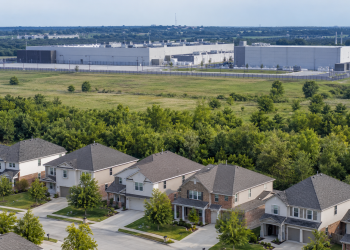
Health risks of living near a data center are a common concern in public meetings, but the reality is nuanced: most data centers do not create large day-to-day pollution sources, yet certain site-specific factors, especially backup generator emissions during testing, chronic noise exposure, and light spill, can affect quality of life and, in some situations, community health risk.
In other words, the question is less “are data centers dangerous” and more “what are the specific exposure pathways for this project, and what limits, monitoring, and enforcement are in place.”
This guide explains the main health-related concerns residents raise, which risks are typically low, which risks depend on local conditions, what to look for in permitting documents, and what questions to ask so your community gets measurable commitments rather than vague assurances.
In One Sentence: Health Risks Of Living Near A Data Center Are Most Often About Noise And Generator Emissions, While Many Common Fears Like “Radiation From Servers” Are Usually Misunderstandings Of How These Sites Operate
The credible approach is to evaluate exposures: noise levels, emissions during testing and outages, traffic impacts during construction, and how close the site is to homes and sensitive receptors.
Start With Context: What A Data Center Actually Is
A data center is a facility that houses servers, networking equipment, and power and cooling infrastructure that keeps digital services running. If you want the simplest definition, see what is a data center.
Data centers vary widely. A small enterprise facility can be very different from a hyperscale campus or a high-density AI build. For facility types, see hyperscale vs colocation vs edge data centers.
The Most Common Health-Related Concerns, Ranked By Practical Relevance
Health risks of living near a data center typically cluster around five areas. Some affect health directly under certain conditions, while others are primarily quality-of-life concerns.
1) Noise exposure
Chronic noise can affect sleep quality and stress, especially if a site’s mechanical equipment is close to homes or if design choices amplify sound. Data centers can produce steady mechanical noise from cooling equipment, and intermittent louder noise from backup generator testing.
Noise risk depends on setback distance, acoustic treatment, operating patterns, and local noise limits. If you want the broader “what to expect” timeline, see what happens when a data center is built near you.
2) Backup generator emissions during testing and outages
Most large data centers use backup generators to maintain uptime during grid disruptions. These generators typically run during periodic testing and, less frequently, during actual outages. Emissions can include nitrogen oxides, particulate matter, and other combustion byproducts.
For how backup power works, see backup power for data centers.
Health relevance depends on generator type, fuel, emissions controls, testing frequency, meteorology, and proximity to sensitive locations such as schools, elder care, and dense residential areas.
3) Local air quality baseline and cumulative exposure
In areas with existing industrial sources, highways, or poor baseline air quality, any incremental emissions can be more sensitive. The most important question is whether regulators treat generator operations as minor sources with limited permitted hours, and what monitoring or reporting is required.
4) Construction impacts and traffic-related exposure
Construction is temporary but can be intense. Dust, diesel equipment emissions, and heavy truck traffic can increase short-term exposure. The health relevance is typically higher near active construction edges and haul routes.
Permitting documents often include construction management plans and traffic routing. For how to access documentation, see public records for data center development.
5) Light spill and night-time disturbance
Data centers use security lighting. Poorly shielded fixtures can create light spill into nearby homes, which can affect sleep quality and quality of life. Light impacts are often addressable through shielding, placement, and operational controls that can be written into approval conditions.

What People Often Worry About, But Is Usually Not A Primary Health Risk
Health risks of living near a data center are sometimes framed around concerns that do not match how exposures work in real environments.
EMF and “radiation from servers”
Data centers use electrical equipment, but the presence of servers does not inherently create a unique public health hazard. Most electrical systems must comply with safety standards, and the more relevant public exposure questions typically center on noise and emissions from combustion sources rather than “server radiation.”
If your community raises EMF concerns, the practical approach is to focus on specific equipment placement, right-of-way corridors for new lines, and whether the project involves new high-voltage infrastructure routes.
Water use as a direct health risk
Water use is primarily a resource and sustainability issue. It can become a public health topic in drought-prone areas if it affects municipal supply reliability. For water context, see why data centers use water and water scarcity and data center planning.
Where The Real Risk Lives: Permitting Conditions And Enforcement
Health risks of living near a data center are shaped less by generic statements and more by what is permitted, measured, and enforced. Residents should focus on approval conditions that translate into limits.
Noise limits
Ask whether the project has measurable noise limits at the property line, whether limits are day/night differentiated, and whether independent testing is required. Noise is often the most persistent quality-of-life factor when setbacks are small.
Generator testing limits and emissions controls
Ask how many hours of testing are allowed per year, whether testing is restricted by time-of-day, and what emissions controls are required. Also ask how outages are treated under permits, and whether there is a reporting requirement for generator run hours.
Setbacks, buffers, and siting details
Physical distance matters. Increased setbacks, berms, vegetation, and acoustic barriers can reduce exposure pathways. These items are often negotiated through zoning and site plan conditions.
For how zoning and approvals typically work, see zoning and permitting for data centers and permitting timelines for data centers.
Questions To Ask At A Public Meeting
If you are evaluating health risks of living near a data center, the questions below focus on measurable commitments rather than general claims.
- Noise: What are the maximum decibel limits at the nearest residence, and who verifies compliance?
- Generators: How many generators, what size, what fuel, and what emissions controls are installed?
- Testing schedule: How often will generator testing occur, at what times, and for how long?
- Permitted hours: How many annual testing hours are permitted, and how are emergency operations tracked?
- Air quality: What is the local baseline air quality, and does the project require any monitoring or reporting?
- Setbacks: What is the minimum distance from generators and mechanical yards to the nearest homes and schools?
- Construction controls: What dust suppression and idling limits are required during construction?
- Lighting: What shielding and light-spill controls are required, and what is the complaint process?
How To Evaluate Risk Without Guessing
Health risks of living near a data center can be evaluated using a practical evidence checklist:
- Review permits and site plans: confirm equipment placement, setbacks, and conditions
- Identify sensitive receptors: nearby homes, schools, elder care, and hospitals
- Ask for measurable limits: noise and generator testing hour caps
- Confirm enforcement: who enforces conditions and how complaints are handled
- Look for cumulative context: nearby highways, industry, and existing generators
Public records are often the fastest way to get clarity. See public records for data center development.
Common Misconceptions
Misconception: Data centers continuously run generators
Generators are typically for backup and are used mainly for testing and outages. The key is how frequently testing occurs and what emissions controls are required.
Misconception: Data centers create significant daily air pollution
Most daily operations are electric. The main potential emission sources are backup generators and construction activity. Actual impact depends on permitted hours and proximity.
Misconception: If a project is approved, there are no protections
Approvals often include enforceable conditions on noise, setbacks, landscaping, and operational practices. The details matter, and conditions vary widely across jurisdictions.
Misconception: Health questions cannot be answered without experts
You can still ask for measurable limits, review permits, and insist on reporting and enforcement. Those steps reduce uncertainty even without specialized modeling.
Authoritative External Resources On Noise, Air, And Environmental Review
For readers who want credible baseline references on environmental oversight and exposure concepts, these resources are useful starting points:
- U.S. EPA air quality basics for air pollutant concepts and health context
- NIOSH guidance on noise exposure for how chronic noise relates to health and hearing risk
- U.S. EPA overview of NEPA for environmental review concepts that may apply to major projects
FAQ: Health Risks Of Living Near A Data Center
Are there real health risks of living near a data center?
Potential risks are usually tied to chronic noise and emissions from backup generator testing, plus temporary construction impacts. The magnitude depends on setbacks, permitted operations, and local baseline conditions.
Do data centers pollute the air every day?
Most day-to-day operations are electric, so routine air pollution is usually limited. Emissions primarily come from generator testing, maintenance activities, and construction.
Are diesel generators a health concern?
They can be if testing is frequent, if emissions controls are limited, or if homes are very close. Permitted hours, controls, and monitoring are the key variables.
Is EMF from a data center dangerous?
Most public concerns about “radiation from servers” are misunderstandings. Practical community health discussions usually focus on noise, generator emissions, and operational conditions rather than server equipment itself.
What should residents ask the developer or city?
Ask for measurable noise limits, generator testing hour caps, emissions controls, setbacks from homes and schools, and how compliance will be verified and enforced.
How can I find the real details for a specific project?
Review zoning filings, site plans, and permits through public records, and look for enforceable conditions related to noise, generator operations, construction controls, and lighting.
Key Takeaway
Health risks of living near a data center are not usually about “mystery radiation” or constant industrial pollution. The realistic concerns are chronic noise, backup generator emissions during testing and outages, and temporary construction impacts, all of which can be reduced through setbacks, measurable limits, and enforceable permitting conditions. The most effective approach is to focus on what is permitted, what is measured, and what is enforced.