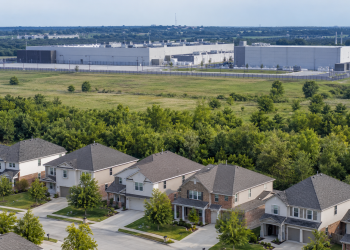
How Data Centers Generate Revenue comes down to monetizing three things: space, power, and connectivity, usually through long-term recurring contracts that convert capital-intensive infrastructure into predictable cash flow.
Data centers are often described as “real estate,” but their revenue model is closer to infrastructure. Customers do not pay for a building alone. They pay for reliable electrical capacity, cooling capability, physical security, and network access, delivered with high uptime.
This guide explains the core revenue streams used across colocation and hyperscale facilities, how pricing is structured, what drives higher-value revenue, and what constraints can limit revenue growth even when demand is strong.
In One Sentence: How Data Centers Generate Revenue Is Through Recurring Contracts That Charge For Power-Enabled Space Plus Connectivity And Operational Services
The best operators maximize utilization of deliverable power, attach higher-value services, and scale in corridors where power and permitting allow growth.
The Two Primary Data Center Business Models
How Data Centers Generate Revenue varies by facility type. Most revenue models fit into two broad categories: colocation and hyperscale-style wholesale leasing.
Colocation (retail and enterprise)
Colocation providers sell smaller increments of capacity to many customers, often by the cabinet, cage, or a portion of a data hall. Colocation customers value flexibility, network options, and the ability to scale in smaller steps.
For a clear definition of colocation versus other facility types, see hyperscale vs colocation vs edge data centers.
Wholesale and hyperscale leasing
Wholesale and hyperscale deployments tend to involve large customers leasing big blocks of capacity, often in MW increments, through longer-term contracts. This model can produce stable revenue, but it can also create customer concentration risk.
For how the cloud and AI demand engine affects these models, see how AI and cloud drive data center growth.
Core Revenue Stream 1: Space And Power-Based Leasing
The largest revenue line for most operators is leasing space that is already “power-enabled,” meaning the facility can reliably deliver electricity and cooling for IT equipment.
Why power is the real unit of sale
In modern data centers, power is often the limiting resource. Space matters, but the ability to deliver MW on schedule is what determines how much can be sold.
For the electricity fundamentals, see data center electricity and why data centers use so much electricity.
Common pricing structures
- Per cabinet or per kW: common in retail colocation, often with included power allowance
- Per cage or suite: larger allocations with defined power and security boundaries
- Per MW lease: common in wholesale and hyperscale deployments
- Blended pricing: bundling space, power, and cooling into a single rate
Core Revenue Stream 2: Power And Energy Pass-Throughs
Many operators pass electricity costs through to customers. Whether power is marked up, purely passed through, or blended depends on contract structure and local tariffs.
This matters because electricity is often the largest operating cost. Contract terms can determine margin stability when energy prices change.
For a grid context that influences both cost and deliverability, see data centers and the power grid and how utilities plan for data center growth.
Core Revenue Stream 3: Connectivity And Interconnection
Connectivity can be a major revenue enhancer, especially in network-dense colocation facilities. Customers pay not only to house equipment, but to connect it to carriers, cloud on-ramps, partners, and other customers efficiently.
Cross connects
Cross connects are physical or logical connections between customers, carriers, or platforms inside the facility. Cross-connect fees can be recurring and can scale with ecosystem density.
Meet-me rooms and network ecosystems
Facilities with strong carrier presence and cloud on-ramps can command premium value because they reduce network friction and improve performance options.
For how connectivity ecosystems form, see fiber networks and data center interconnects explained.
Core Revenue Stream 4: Managed Services And Operational Add-Ons
Many operators attach services that add revenue per customer and increase stickiness. These offerings vary by provider and customer segment, but common examples include:
- remote hands and smart hands services
- managed firewalls and security services
- backup, disaster recovery, and replication support
- managed platforms for bare metal and private cloud
- monitoring and compliance support
These services can improve margins, but they require operational maturity and staffing, and they often scale differently than leasing revenue.
What Determines Revenue Growth Over Time
How Data Centers Generate Revenue at scale depends on a few operational and market realities.
1) Deliverable power and expansion capacity
Revenue growth depends on whether the operator can energize new capacity and lease it. In many corridors, power deliverability is the limiting factor, not customer demand.
For planning context, see how utilities plan for data center growth.
2) Utilization and lease-up velocity
High utilization improves revenue and spreads fixed operating costs across more customers and more MW. Lease-up velocity matters because empty capacity still carries depreciation, maintenance, and staffing costs.
3) Customer mix and concentration
A hyperscale-heavy portfolio can have stable revenue but higher concentration risk. A colocation-heavy portfolio can be diversified but may require more sales and support effort.
For the economics framing behind these models, see data center REITs and infrastructure economics.
4) Density and AI readiness
AI increases rack density and can increase revenue per square foot and per MW, but it also increases infrastructure requirements. Providers that can support high-density AI deployments can monetize capacity at premium pricing when supply is scarce.
For the AI density cost and design drivers, see infrastructure costs for AI workloads and why liquid cooling is increasing with AI demand.
Where Revenue Models Break: The Most Common Constraints
How Data Centers Generate Revenue can be limited even when demand is strong. The most common constraints are physical and regulatory.
- Power constraints: inability to secure interconnection upgrades or MW allocation
- Permitting delays: slower approvals can delay revenue start dates
- Cooling constraints: inability to support higher densities without upgrades
- Connectivity gaps: limited carrier diversity reducing premium value
- Community risk: opposition that increases mitigation costs or restricts expansion
For approvals and process constraints, see zoning and permitting for data centers.

Common Misconceptions
Misconception: Data centers mainly make money from renting “space”
Space matters, but power and reliability are the true products. The ability to deliver MW with uptime is what customers pay for.
Misconception: Electricity cost is always passed through with no margin impact
Contract structure and tariff design can create different exposures. Some models include markup, some are pass-through, and some embed energy in blended pricing.
Misconception: Connectivity revenue is small
In network-dense hubs, interconnection and cross-connect revenue can be meaningful and can improve customer stickiness.
Misconception: AI automatically increases profitability
AI can raise revenue per MW, but it can also raise capex and opex. Profitability depends on infrastructure readiness, utilization, and the ability to execute high-density operations reliably.
Authoritative External Resources On Revenue Models And Infrastructure Economics
For readers who want standardized baseline references on contracts, investing, and infrastructure concepts, these resources are useful starting points:
- U.S. SEC overview on REITs for public market context that influences infrastructure platforms
- U.S. SEC Investor.gov investing basics for foundational investing and risk concepts
- NIST Cybersecurity Framework for governance concepts that influence operational service expectations
FAQ: How Data Centers Generate Revenue
How do data centers generate revenue?
They generate revenue primarily by leasing power-enabled space through recurring contracts, and they often add revenue through connectivity services like cross connects and operational services like remote hands.
What is the difference between colocation and hyperscale revenue?
Colocation revenue is typically diversified across many customers with smaller deployments and often includes interconnection revenue. Hyperscale revenue is often concentrated in fewer large leases with long terms.
Why is power central to pricing?
Power is often the limiting resource. The ability to deliver MW reliably and on schedule determines how much capacity can be sold and when revenue can begin.
Do data centers profit from electricity sales?
Some contracts include markups, but many are pass-through. The margin impact depends on contract terms, tariff structure, and how energy price risk is allocated.
What are cross connects and why do they matter?
Cross connects are connections between customers and networks within a facility. They matter because they create recurring revenue and increase customer stickiness by embedding connectivity into the site ecosystem.
What limits revenue growth for data centers?
Common limits include power deliverability constraints, permitting delays, insufficient cooling capacity for higher densities, connectivity ecosystem gaps, and community and regulatory friction.
Key Takeaway
How Data Centers Generate Revenue is a recurring-contract model built on delivering reliable power-enabled capacity and monetizing connectivity and services around it. The operators that grow fastest are those that can secure deliverable power, expand predictably through permitting, maintain high utilization, and attach higher-value interconnection and operational services that increase revenue per customer and per MW.