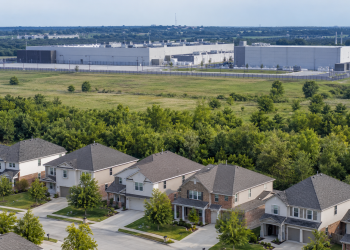
Public records for data center development are the fastest way to understand what is actually being proposed, what approvals are required, and what conditions a project must follow. Public meetings and marketing summaries often focus on the big picture, but the most important details live in case files, staff reports, permit applications, and agency correspondence.
This guide explains where to find those records, what documents matter most, and how to read them efficiently so you can separate confirmed facts from assumptions.
In One Sentence: Public Records For Data Center Development
Public records for data center development include zoning case files, permit applications, environmental filings, and meeting documents that reveal project scope, timelines, and enforceable conditions.
Why Public Records Matter For Data Center Projects
Data center development can move in phases, and the first public announcement may not reflect full build-out. Public records help answer basic but critical questions:
- How many buildings and how many acres are planned at full build-out?
- What is the expected power demand in MW, now and later?
- What water source is proposed, and what permits apply?
- How often will generators be tested, and what limits exist?
- What conditions were imposed, and who enforces them?
These questions tie directly to zoning and environmental review. See data center land use and zoning classifications and environmental review for data centers.
Where To Look First
Start with the local government entities that approve land use and building activity. Most records originate locally, even when state or federal permits also apply.
Local Planning Or Community Development Department
This is often the best starting point. Planning departments maintain zoning cases, site plans, staff reports, and conditions of approval. Many jurisdictions have an online portal where you can search by address, parcel number, or project name.
Planning Commission And Board Agendas
Public hearings generate agendas, staff packets, presentations, and meeting minutes. These often include the clearest summary of what is being requested and recommended.
Building Department Permits
Building permits can confirm construction scope and timing. They may also list contractors, valuation, and permit status. Some jurisdictions publish permit dashboards or open data feeds.
County Assessor And GIS Parcel Tools
Assessor websites and GIS tools can show parcel boundaries, ownership changes, and basic property attributes. This helps verify what land is included in a project.
The Most Useful Documents To Request Or Download
Not every document in a case file matters. These are typically the most informative for data centers.
Staff Report Or Staff Memo
The staff report is often the best single document. It usually contains the project description, zoning analysis, conditions, and how the proposal fits the comprehensive plan. It may also summarize public comments and agency coordination.
Site Plan Set
Site plans show layout, setbacks, screening, equipment yards, access roads, stormwater features, and phasing notes. Look for:
- Electrical yard and substation footprint.
- Generator placement and acoustic wall notes.
- Stormwater pond locations and outfalls.
- Phasing diagrams that reveal ultimate build-out.
Conditions Of Approval
Conditions are where promises become enforceable. They can include noise limits, testing hours, landscaping requirements, traffic routing, reporting, and compliance monitoring.
Traffic Impact Study
Traffic studies show projected construction and operational impacts and can reveal roadway upgrades, access points, and truck routing assumptions.
Noise Study
Noise studies often include modeled decibel levels, equipment assumptions, and mitigation measures. They are especially important near residential zones.
Stormwater Plans And Permits
Stormwater documents show runoff assumptions, erosion controls, detention design, and long-term maintenance requirements. For baseline permitting context, see EPA construction stormwater guidance.
Air Permits For Generators
Generator permits can clarify engine size, fuel type, testing schedules, operating limits, and recordkeeping requirements. This pairs well with backup power for data centers.
Utility Coordination Summaries
Utilities do not always publish detailed interconnection studies publicly, but public records sometimes include coordination letters, capacity statements, or project timelines for new substations and lines.
For the planning framework utilities use, see how utilities plan for data center growth and data centers and the power grid.
How To Search Effectively When A Portal Is Weak
Some jurisdictions have limited search tools. These tactics usually help:
- Search by address, parcel ID, and owner name, not just project name.
- Search meeting packets for keywords like “data center,” “telecommunications,” “utility,” “special use,” and “campus.”
- Check for related cases, such as rezoning plus site plan plus variance.
- Look for the applicant’s engineering firm name and search that too.
- Review adjacent infrastructure cases, such as substation or transmission approvals.
How FOIA And Public Records Requests Work
If records are not available online, you can usually file a public records request. The name varies by state, often called FOIA, public records request, or sunshine request.
Good requests are specific. Ask for:
- The complete zoning case file for a given address or parcel.
- All staff reports, conditions, and exhibits.
- All correspondence between the applicant and the agency related to the case.
- All studies submitted: traffic, noise, stormwater, and environmental memos.
- Permit applications and approvals for generators and stormwater, if held by the agency.
Include a date range and request electronic copies. If fees apply, ask for an estimate before work begins.

How To Read A Data Center Case File Quickly
Use a simple workflow to avoid drowning in PDFs.
1) Confirm Full Build-Out Scope
Look for total acres, number of buildings, total square footage, and phased build-out notes. “Phase 1” is not the whole story.
2) Identify Power And Water Assumptions
Look for MW figures, interconnection points, and water source statements. Water can become the central controversy in stressed regions. See data center water rights and why data centers use water.
3) Find The Conditions
Conditions define what is enforceable. Copy them into a simple checklist for future compliance verification.
4) Review What Agencies Flagged
Agency review letters often highlight what is unresolved. Those items are frequently the real blockers for timelines.
Common Red Flags In Public Records
- Vague phasing that understates eventual build-out.
- No clear noise limits despite generator testing and cooling equipment near neighbors.
- Unclear water source or lack of drought-mode planning.
- Grid upgrades not disclosed even though the project load is very large.
- Conditions without enforcement such as no reporting, no measurement, and no penalties.
Authoritative References
For a general explanation of the U.S. Freedom of Information Act, see FOIA.gov. Note that state and local public records laws differ, but FOIA concepts are useful for understanding request structure and expectations.
Summary
Public records for data center development provide the most reliable view of what is being approved, what conditions apply, and what infrastructure dependencies exist. The most valuable documents are usually staff reports, site plan sets, conditions of approval, traffic and noise studies, stormwater filings, and generator-related permits. If records are not online, a focused public records request can reveal the full case file. Reading these documents with a simple checklist helps communities and stakeholders evaluate projects based on enforceable facts rather than headlines.
FAQ
What Is The Fastest Way To Find Data Center Permits?
Start with the planning department case portal and the meeting agenda packets for planning commission or board hearings. Use address and parcel ID searches, not only project names.
What Documents Show The Real Project Scope?
Staff reports and site plan sets usually show acres, building counts, square footage, and phasing. Conditions of approval show what is enforceable.
Are Utility Interconnection Studies Public?
Often they are not fully public, but public records sometimes include utility coordination letters, timeline statements, or references to required upgrades.
What Should I Ask For In A Public Records Request?
Request the complete case file, including staff reports, exhibits, all submitted studies, correspondence, and any permit applications held by the agency, with a clear date range and electronic delivery.
Where Do I Find Environmental Filings For A Data Center?
Environmental records may be in local case files, state environmental agency portals, or federal dockets if federal permits apply. Stormwater and wetlands permits are common starting points.
How Can I Track Compliance After Approval?
Use the conditions of approval as a checklist. Ask the jurisdiction what reporting is required, where compliance records are stored, and how complaints are handled.