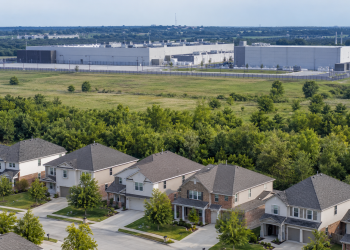
If a data center is built near you, the biggest changes usually show up in stages: early planning and zoning meetings, months of construction traffic, visible utility work for power and fiber, and then a quieter operations phase where the most common concerns are generator testing noise and long-term expansion.
Many communities see data centers as “infrastructure projects” rather than typical commercial development. The facility may not look dramatic once it is operating, but the enabling infrastructure behind it, especially electrical upgrades, can be substantial.
This guide explains what typically happens before, during, and after a data center is built near you, what impacts are most common, what questions residents should ask, and which misconceptions cause confusion in public meetings.
In One Sentence: When A Data Center Is Built Near You, Expect A Long Planning Process, A Noisy Construction Phase, Utility Upgrades For Power And Fiber, Then Mostly Quiet Operations With Periodic Generator Testing
What matters most is the local design details, the site’s power plan, and the conditions attached to approvals.
Stage 1: Planning And Site Selection
Most projects start long before you see equipment on site. Developers evaluate land that can support large buildings, high-voltage power delivery, and resilient network connectivity.
Common siting factors include power availability, distance to transmission and substations, zoning posture, and the ability to permit the project predictably. For siting fundamentals, see why data centers are built in specific locations.
What you may notice early
- land acquisition announcements or rezoning applications
- survey crews and geotechnical drilling
- pre-application meetings with planning staff
- requests for traffic studies, noise studies, or environmental documentation
Where to find the project details
In many jurisdictions, key documents become public during the approvals process, including application materials, conditions, and staff reports. For how to use that process, see public records for data center development.
Stage 2: Zoning, Permitting, And Public Meetings
If a data center is built near you, zoning and permitting are often the most visible early touchpoints for residents. Developers may request rezoning, special use permits, variances, or site plan approval depending on local rules.
For the approval pathways and terminology, see zoning and permitting for data centers.
What typically gets debated at hearings
- building size, setbacks, and buffers from homes
- noise impacts from mechanical equipment and generators
- traffic, especially construction traffic and delivery routes
- stormwater management and environmental impacts
- water use depending on cooling design
- community benefits, tax revenue, and job claims
How long this phase can take
Permitting timelines vary widely. Some projects move quickly in industrial zones. Others take much longer due to environmental review, contested hearings, or infrastructure constraints. For timing expectations, see permitting timelines for data centers.
Stage 3: Construction And Utility Work
The construction phase is typically the loudest and most disruptive period. If a data center is built near you, this is when you will most likely notice changes in traffic patterns, road wear, and intermittent noise.
What construction often includes
- site clearing, grading, and foundation work
- concrete pours and steel erection
- mechanical and electrical installation
- delivery of large equipment such as generators and switchgear
- commissioning and testing before go-live
Why electrical work can be extensive
Data centers are large electrical loads. Delivering MW to a site can require new substations, feeder upgrades, and transmission-related work. Residents often see utility corridor work and new lines as part of the project footprint.
For the grid relationship, see data centers and the power grid and how utilities plan for data center growth.
For why power demand is so high, see why data centers use so much electricity.
Fiber and connectivity work
Data centers also require robust connectivity, which can lead to new conduit, fiber routes, and interconnection work. For how those networks work, see fiber networks and data center interconnects explained.
Stage 4: Operations After Opening
Once operating, many data centers are relatively quiet compared to the construction phase. There is usually limited daily traffic, and most activity is inside the building. However, certain operational features can remain noticeable.
Ongoing impacts residents may notice
- mechanical noise: from cooling equipment and air handlers, varying by design and weather
- generator testing: periodic testing that can create audible noise and visible exhaust
- lighting: security lighting and site lighting, depending on shielding and conditions
- expansion phases: additional buildings or data halls added over time
Backup generation is a common public concern. For what backup systems are and why they are used, see backup power for data centers.
Jobs And Local Economic Effects: What To Expect Realistically
If a data center is built near you, local leaders often talk about jobs and tax base. The reality is mixed and depends on local policy and the project model.
Construction jobs vs permanent jobs
Construction phases create significant temporary employment and contractor spend. Permanent employment is typically smaller than for manufacturing sites because data centers are automation heavy and operate with lean teams.
Tax revenue and incentives
Many projects involve tax incentives or abatements, which can change near-term fiscal impact. For how these incentives work and the tradeoffs, see data center tax incentives explained.
Local infrastructure and service impacts
Projects can drive public infrastructure upgrades, but they can also create planning burdens. The net outcome depends on negotiated conditions and whether costs are shared fairly.
Water And Environmental Considerations
Water impacts depend heavily on cooling design. Some data centers use little direct water, while others use water in evaporative cooling. In water-stressed regions, this becomes a central issue during permitting.
For baseline context, see why data centers use water and water scarcity and data center planning.
Some projects also undergo environmental review depending on location, scale, and regulatory triggers. For that process, see environmental review for data centers explained.

Questions To Ask If A Data Center Is Built Near You
The best questions are specific and tied to measurable commitments or approval conditions.
- What is the approved site plan: building footprint, setbacks, buffers, and landscaping?
- What are the noise limits: measured at the property line, and what enforcement exists?
- How often are generators tested: time of day, duration, and emissions controls?
- What utility upgrades are planned: new substations, line routes, and construction schedules?
- What is the cooling design: will it use evaporative cooling, and what is water sourcing?
- What are the traffic management plans: routes, staging, and hours of heavy deliveries?
- What community benefits are committed: workforce programs, local hiring, or infrastructure contributions?
- Is this a phased campus: what future expansion is expected and how will it be approved?
Common Misconceptions
Misconception: Data centers create constant heavy traffic
Construction can be traffic-heavy, but ongoing operations often involve relatively limited daily traffic compared to retail or industrial distribution sites.
Misconception: All data centers use huge amounts of water
Water use varies by cooling approach and climate. Some designs use minimal water while others use more due to evaporative heat rejection.
Misconception: You cannot find any project details
In many jurisdictions, key permits, plans, and conditions become public records. The challenge is knowing what to request and where to look.
Misconception: The building is the only impact
Much of the impact comes from enabling infrastructure, especially electrical upgrades and construction logistics.
Authoritative External Resources On Permitting And Environmental Oversight
For readers who want baseline references on environmental review and air emissions oversight, these sources are useful starting points:
- U.S. EPA overview of NEPA for how environmental review works at a high level
- U.S. EPA air emissions inventories for emissions context and reporting concepts
- U.S. EPA NPDES program for water discharge permitting context that may apply in certain projects
FAQ: Data Center Built Near You
Will a data center built near you be noisy?
During construction, noise is common. During operations, most noise comes from cooling equipment and periodic generator testing. The impact depends on design, setbacks, and local noise conditions.
Will a data center increase traffic in my neighborhood?
Construction traffic can be significant for months. After opening, daily traffic is usually limited, but delivery and maintenance activity continues at a lower level.
Do data centers affect property values?
Property effects vary by location and how well the project is buffered and managed. Perception, noise control, lighting, and future expansion plans often matter more than the building itself.
Do data centers bring jobs to the area?
They often bring substantial temporary construction jobs and a smaller number of permanent jobs. Local fiscal benefits depend on incentives and tax structures.
What should I look for in the approval conditions?
Look for measurable limits on noise, generator testing schedules, traffic routing requirements, landscaping buffers, lighting controls, and commitments related to water sourcing and stormwater management.
How can I track updates on the project?
Track planning commission and council agendas, request public records, and review permit filings and staff reports as they become available during the approvals process.
Key Takeaway
If a data center is built near you, the biggest disruptions are typically during permitting and construction, followed by mostly quiet operations with periodic generator testing. The real outcomes depend on local conditions attached to approvals: setbacks, noise limits, traffic routing, water sourcing, and the scale of planned expansion. Residents who focus on measurable commitments and public records usually get the clearest picture of what to expect.