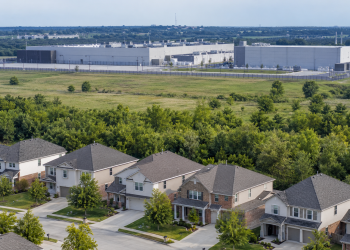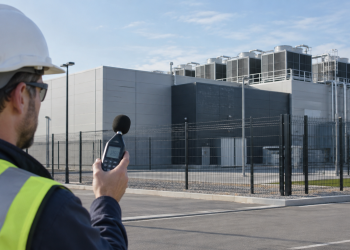
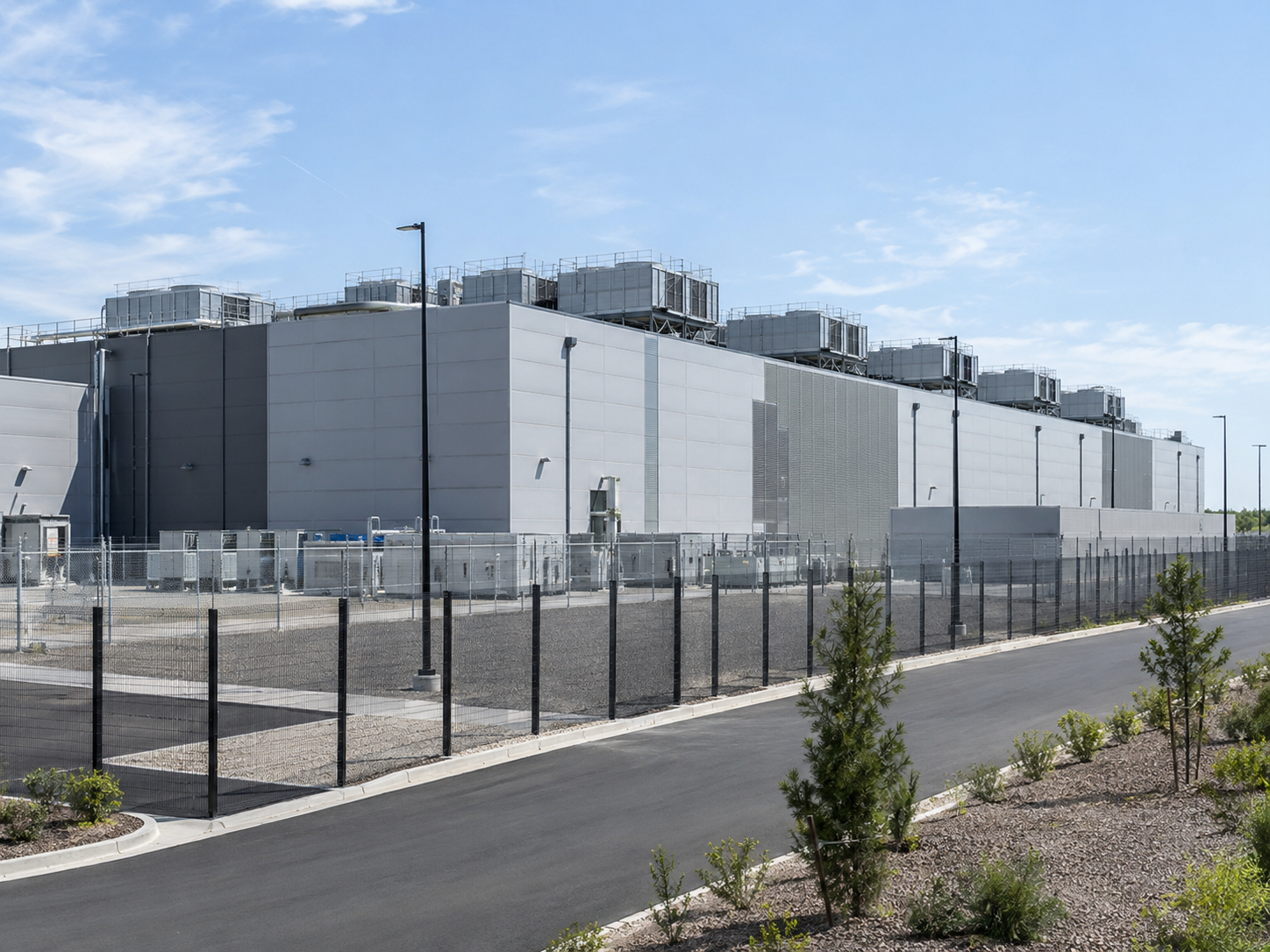
Data center property tax revenue is one of the most frequently cited benefits when local governments consider new data center development.
Depending on the jurisdiction, an individual facility can generate millions of dollars per year in real estate and business personal property taxes. Communities with especially large concentrations of data centers can collect hundreds of millions—or even more than $1 billion annually.
But there is no universal formula for calculating data center property tax revenue.
A “$1 billion data center” does not automatically create a predictable amount of local tax revenue. The actual amount depends on what the jurisdiction taxes, how property is assessed, how quickly equipment depreciates and what incentives or exemptions the project receives.
How Data Center Property Tax Revenue Works
Data center property tax revenue can come from several different categories of taxable property.
Real Property Taxes
Real property generally includes:
- Land
- Buildings
- Permanent site improvements
The taxable value depends on local assessment rules and the applicable property tax rate.
Business Personal Property Taxes
Some jurisdictions separately tax business equipment.
For data centers, this can be especially important because facilities may contain hundreds of millions or even billions of dollars in:
- Servers
- Storage systems
- Networking equipment
- Computer hardware
- Other technology infrastructure
In areas where those assets are taxable, the equipment inside the building can generate as much—or sometimes more—revenue than the building itself.
Other Taxes and Fees
Depending on state and local law, a data center may also generate:
- Sales taxes
- Utility taxes
- Permit fees
- Development fees
- Construction-related taxes
However, many states offer sales and use tax exemptions specifically for qualifying data center equipment.
That is why total investment and data center property tax revenue should never be treated as the same number.
Fairfax County: A Real Data Center Property Tax Revenue Example
Fairfax County, Virginia provides a useful example of how data center property tax revenue can be divided between land, buildings and equipment.
According to Fairfax County’s data center information, the county’s inventory of 20 data centers contributes approximately $72.6 million annually to its General Fund.
That includes approximately:
- $29 million in real estate taxes
- $43.6 million in business personal property taxes
Fairfax estimates an average contribution of about $3.63 million per data center, although that average should not be applied automatically to projects elsewhere.
The example illustrates an important point:
A large share of data center property tax revenue can come from the technology equipment inside the building.
Loudoun County Shows What Happens at Massive Scale
Loudoun County, Virginia is an extreme example because it contains one of the world’s largest concentrations of data centers.
The county’s official data center tax revenue and budget information explains that data centers generate revenue through both real estate taxes and personal property taxes on computer equipment.
The scale is enormous.
Loudoun reports approximately $1.2 billion in data center real and personal property tax revenue for FY2026, with even higher revenue projected for the following fiscal year.
The county also says this revenue has helped support:
- Public schools
- Public safety
- Transportation
- Libraries
- Parks
- Government services
Loudoun should not be treated as the typical American county.
Its experience demonstrates what happens when a very large number of extremely valuable data center properties are concentrated in one jurisdiction.
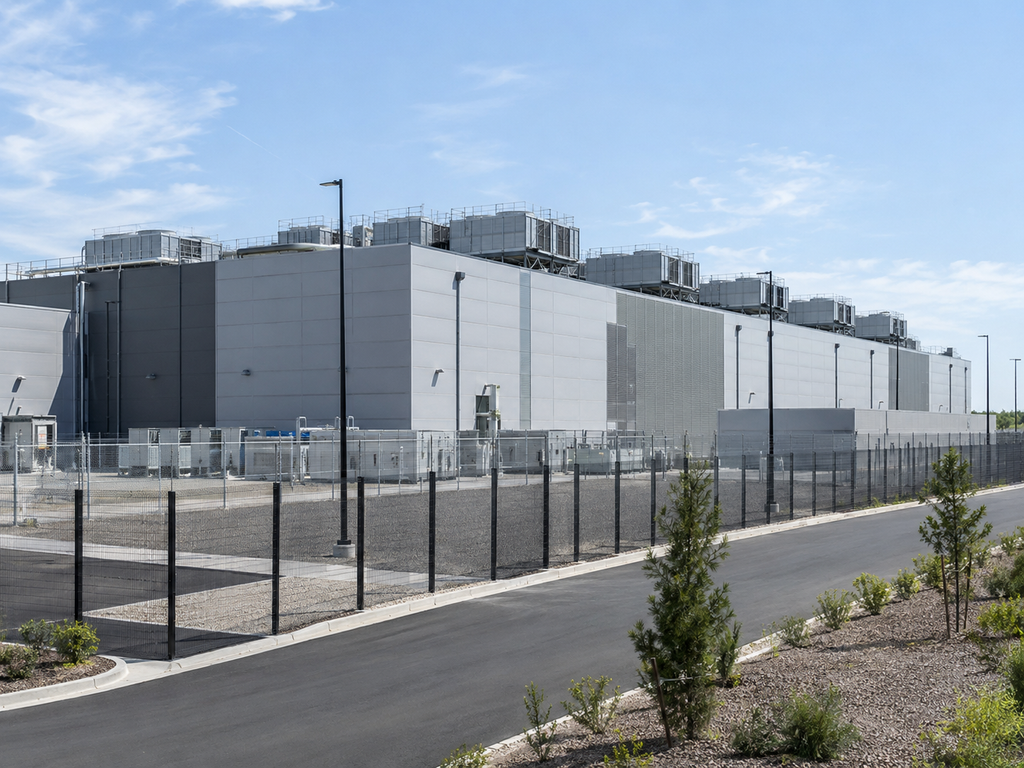
Why a $1 Billion Data Center Does Not Mean $1 Billion Is Taxable
One of the biggest mistakes in evaluating data center property tax revenue is assuming the announced investment value equals taxable assessed value.
It usually does not.
A company’s total investment can include:
- Land
- Buildings
- Construction labor
- Electrical infrastructure
- Cooling equipment
- Servers
- Networking equipment
- Site improvements
- Professional services
- Other project costs
Different components can receive very different tax treatment.
Some assets may depreciate rapidly.
Some may qualify for exemptions.
Some project expenses may not create taxable property at all.
Therefore:
Total project investment ≠ taxable assessed value.
If officials announce that a proposed campus represents a “$5 billion investment,” residents should separately ask how much taxable property the project is expected to create.
What Affects Data Center Property Tax Revenue?
Several factors can dramatically change the amount a local government receives.
Property Tax Rate
Higher tax rates generally produce more revenue from the same assessed value.
Equipment Taxation
Jurisdictions that tax servers and other computer equipment can generate substantially more revenue than jurisdictions that exempt those assets.
Depreciation
Technology equipment loses value over time.
A facility with $1 billion in servers today may have a much lower taxable equipment value several years later unless the hardware is replaced.
Equipment Replacement
Data centers regularly refresh technology.
New server purchases can replenish the taxable base in jurisdictions that tax business personal property.
Tax Incentives
Projects may receive:
- Sales tax exemptions
- Property tax abatements
- Reduced equipment tax rates
- Grants
- Infrastructure assistance
Project Phasing
Large campuses can take years to build.
Data center property tax revenue may therefore increase gradually as additional buildings and equipment come online.
Why Servers Matter So Much for Data Center Property Tax Revenue
The building itself can be highly valuable, but the computing equipment inside can represent an enormous portion of the overall investment.
That makes server taxation particularly important.
Communities evaluating a proposed facility should ask:
- Are servers subject to business personal property tax?
- What tax rate applies?
- How quickly does equipment depreciate?
- Are there special data center exemptions?
- How often is equipment expected to be replaced?
- Does the tax forecast assume future server refreshes?
A first-year projection may therefore look very different from the revenue produced in Year 5 or Year 10.
How Tax Incentives Affect Data Center Property Tax Revenue
Tax incentives can significantly change the final revenue calculation.
Common data center incentives include:
- Sales-tax exemptions
- Use-tax exemptions
- Property-tax abatements
- Reduced personal property tax rates
- Infrastructure assistance
- Performance-based grants
That means communities should compare:
Taxes that would normally be owed
with
Taxes the project is actually expected to pay after incentives.
The second number is much more useful when evaluating the local fiscal impact.
Why Local Governments Pursue Data Centers
From a fiscal perspective, data centers can be attractive because they often combine:
- High capital investment
- Valuable taxable equipment
- Large commercial buildings
- Relatively low school-service demand
- Lower operational traffic than some industrial uses
- Long-term taxable property
Fairfax County, for example, describes data centers as high-yield commercial properties because they can generate substantial revenue while placing comparatively limited demands on services such as public schools.
However, financial benefits should still be weighed against infrastructure requirements and community impacts.
Those broader concerns are explored in our guide to community opposition to data centers.
Does Data Center Property Tax Revenue Lower Homeowners’ Taxes?
Potentially, but not automatically.
Additional commercial tax revenue gives local governments more fiscal capacity.
Officials can use that money to:
- Lower tax rates
- Avoid future tax increases
- Increase services
- Fund infrastructure
- Support schools
- Build reserves
Loudoun County says data center tax revenue has helped it maintain comparatively low real-property tax rates.
But an individual homeowner’s tax bill still depends on both:
- The tax rate
- The home’s assessed value
A homeowner’s bill can therefore increase even when the overall tax rate declines.
Data Center Property Tax Revenue vs. Permanent Jobs
Tax revenue and employment should be evaluated separately.
A data center can produce substantial data center property tax revenue while creating fewer permanent jobs than another industrial project with a similar headline investment.
Those are not contradictory facts.
They measure different economic benefits.
Officials should separately ask:
How much recurring local tax revenue will the project generate?
and
How many permanent jobs will the project create?
Combining the two into one vague “economic impact” figure makes meaningful comparison harder.
Questions Communities Should Ask About Data Center Property Tax Revenue
When officials present a tax-revenue estimate, residents should request:
- Estimated real-property value
- Estimated equipment value
- Applicable tax rates
- Equipment depreciation schedule
- Tax exemptions
- Local incentives
- Year 1 revenue
- Year 5 revenue
- Year 10 revenue
- Public infrastructure costs
- Net fiscal benefit
Our data center town hall questions guide provides a broader checklist for evaluating proposed developments.
If you’re still trying to determine whether a project has been proposed at all, start with our guide explaining how to find out if a data center is planned near you.
Frequently Asked Questions About Data Center Property Tax Revenue
How much data center property tax revenue can one facility generate?
It varies widely. Some large facilities can generate millions of dollars per year, while jurisdictions with major clusters of data centers can collect hundreds of millions or more.
Do data centers pay property taxes?
Generally yes, although the taxable assets and rates depend on state and local law.
Are data center servers taxed?
In some jurisdictions, servers are taxed as business personal property. Other jurisdictions provide exemptions or reduced rates.
Do data centers receive tax incentives?
Many states and municipalities provide tax incentives intended to attract data center development.
Can data center property tax revenue lower residential taxes?
It can reduce pressure on residential tax rates, but it does not guarantee that an individual homeowner’s total property tax bill will decrease.
Bottom Line: Data Center Property Tax Revenue Can Be Significant
Data center property tax revenue can be substantial, but there is no national formula that predicts what a specific project will generate.
The final number depends on:
- Assessed property value
- Equipment value
- Tax rates
- Depreciation
- Incentives
- Exemptions
- Project phasing
When evaluating a proposed data center, the most useful number is not the developer’s headline investment.
It is the recurring net data center property tax revenue the community expects to receive after depreciation, exemptions and incentives are taken into account.